Why does reliable historization of field data become a software topic in industry & production?
In industry, software rarely becomes a topic for cosmetic reasons.
Reliable historization of field data in industry & production: software, data, roles, integrations, and decision criteria to build a readable, maintainable foundation. In industry, software rarely becomes a topic for cosmetic reasons. It becomes one when maintenance, quality, production, and support no longer share the same view of assets, incidents, checks, and priorities.
In industry, software rarely becomes a topic for cosmetic reasons.
The first version can take the form of a portal, business back office, dashboard, document workflow, integration with the existing stack, or reference data foundation.
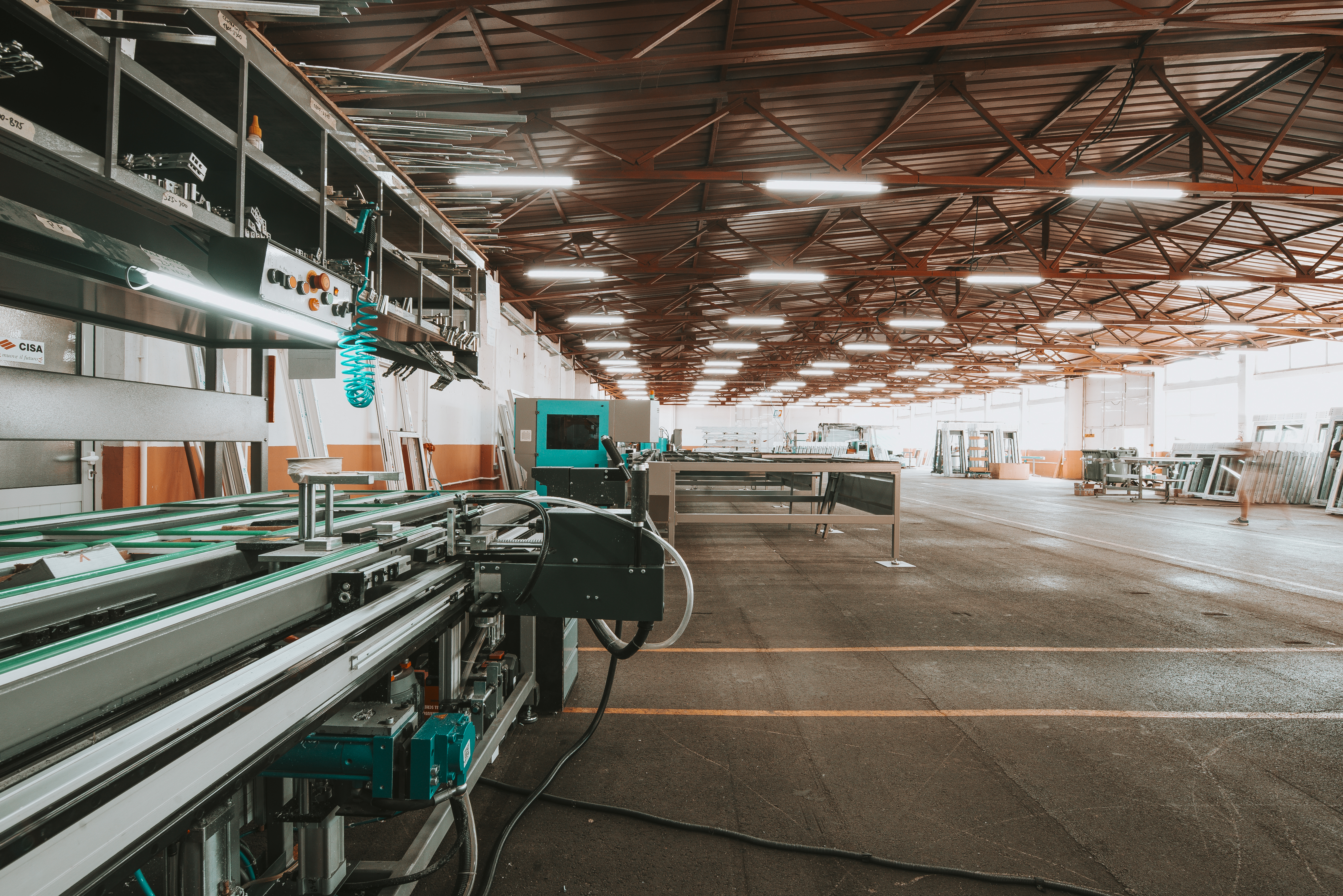
The data that needs to stay stable usually includes assets, work orders, machine states, incidents, routings, checks, non-conformities, spare parts, and priority levels.
In industry, software rarely becomes a topic for cosmetic reasons. It becomes one when maintenance, quality, production, and support no longer share the same view of assets, incidents, checks, and priorities. Teams then start compensating with spreadsheets, local instructions, manual history, and exports. The cost shows up in downtime, processing delays, quality deviations, and the difficulty of explaining quickly what is really happening on the field. The roles to coordinate often include maintenance technicians, workshop managers, quality teams, process engineers, operations, support teams, and sometimes field vendors.
Limits often come from a fragmented setup split between ERP, computerized maintenance management, manufacturing execution, machine supervision, quality files, and spreadsheets. Each system covers part of the workflow, but none really owns the end-to-end chain.
The outcome is familiar: a breakdown surfaces too late, a non-conformity remains poorly documented, an intervention is replayed in several tools, and leadership receives indicators too late to arbitrate correctly.
The decisions to support usually involve intervention priorities, quality approvals, equipment downtime, field escalations, and the alerting level that is useful for operations as well as leadership.
The first version can take the form of a portal, business back office, dashboard, document workflow, integration with the existing stack, or reference data foundation. The right choice depends less on the label of the tool than on the workflow that must be secured around reliable historization of field data. In industry & production, the useful tool must reduce breaks between maintenance technicians, workshop managers, quality teams, process engineers, operations, support teams, and sometimes field vendors.. It must above all support concrete decisions around reliable historization of field data without forcing teams to rebuild context from several systems. The systems to connect often include the ERP, computerized maintenance management, manufacturing execution, machine supervision, quality documentation, and sometimes an operator portal.
A portal is relevant when a third party needs to act or consult without entering the full internal tool. A business back office becomes useful when several internal teams need to manage reliable historization of field data with the same statuses, approvals, and histories. A document workflow is needed when evidence, files, and document versioning matter as much as the data itself.
In many projects, the right answer combines several layers. The key is to know where the data lives, where the action is taken, and where managerial visibility happens, instead of multiplying interfaces without a shared foundation.
The data that needs to stay stable usually includes assets, work orders, machine states, incidents, routings, checks, non-conformities, spare parts, and priority levels. The work therefore consists of defining where data is created, who can edit it, which version is authoritative, how it circulates, and how long it must remain traceable. This step conditions both product quality and search relevance because it gives precise answers to business questions. The decisions to support usually involve intervention priorities, quality approvals, equipment downtime, field escalations, and the alerting level that is useful for operations as well as leadership.
Anything that changes a decision, a responsibility, or a piece of evidence needs history. This often includes status changes, approvals, uploaded files, takeover comments, sensitive exports, alerts, and manual corrections. Without history, reliable historization of field data quickly turns back into a sequence of actions that cannot be reviewed.
History is not only useful for audit. It also helps take over a file, understand a blockage, measure a delay, or arbitrate a disagreement between teams. This is often what separates an usable product from a simple data-entry screen.
The roles to coordinate often include maintenance technicians, workshop managers, quality teams, process engineers, operations, support teams, and sometimes field vendors. Good scoping must also decide which tools deserve a real integration. This may be an ERP, CRM, document system, directory, electronic signature, field tool, or existing reporting layer. A useful integration removes a visibility break or duplicate entry rather than merely copying data. The systems to connect often include the ERP, computerized maintenance management, manufacturing execution, machine supervision, quality documentation, and sometimes an operator portal.
The first integrations should be the ones that prevent a critical error or a certain waste of time. If reliable historization of field data already depends on sales data, a document, and an operational status, those three sources should be aligned first.
The goal is not to connect everything in the first version. The goal is to connect what truly changes readability, action speed, and decision reliability.
A standard tool can be enough for one team or one isolated use case. Custom software becomes more rational when maintenance, quality, production, and supervision must finally work from the same shared view. Limits often come from a fragmented setup split between ERP, computerized maintenance management, manufacturing execution, machine supervision, quality files, and spreadsheets. Each system covers part of the workflow, but none really owns the end-to-end chain.
Business software becomes more rational when reliable historization of field data already carries specific rules, several roles, sensitive evidence, or integrations that generic tools do not cover well. The goal is not to develop for the sake of it. The goal is to stop paying every month for fragmentation.
This shift can happen on a limited scope. It does not always require replacing the current stack. In many cases, a well-connected business layer is enough to bring the topic back under control.
The first version should cover few things, but cover them completely: the right roles, the right statuses, the right evidence, the few integrations that change the decision, and visibility that is clear enough to act without manual rework. On reliable historization of field data, the right path is rarely to aim for an exhaustive product immediately. It is better to secure one costly workflow, then expand from gains that are already visible such as maintenance, quality, steering.
The first results to track are often simple: processing time, duplicate entry removed, blocked files, missing documents, pending approvals, open incidents, or time spent finding information. These are the signals that show whether reliable historization of field data is finally becoming more readable.
This measurement is not only there to justify the project. It is mainly there to decide what to expand next, what to simplify, and which usages deserve a second phase.
A standard tool can be enough for one team or one isolated use case. Custom software becomes more rational when maintenance, quality, production, and supervision must finally work from the same shared view. A dedicated tool becomes relevant when reliable historization of field data depends on sector-specific rules, several roles, evidence to keep, or integrations that standard tools handle poorly. As long as an existing tool covers the need properly, it is better to keep and integrate it.
We can discuss your needs free of charge and explain clearly how we can help, with no obligation.