Read the real state of assets without rebuilding alarms
Supervision must prevent statuses, alarms, and incidents from living in competing views depending on the tool or team looking at them.
Supervise energy infrastructure with alerts, statuses, incidents, and a consolidated operations view. The need appears when alerts, incidents, and field statuses are no longer readable in the same flow.
Supervision must prevent statuses, alarms, and incidents from living in competing views depending on the tool or team looking at them.
The real value appears when the team can quickly tell whether a signal comes from sensor drift, a real incident, or an immediate action that must be launched.
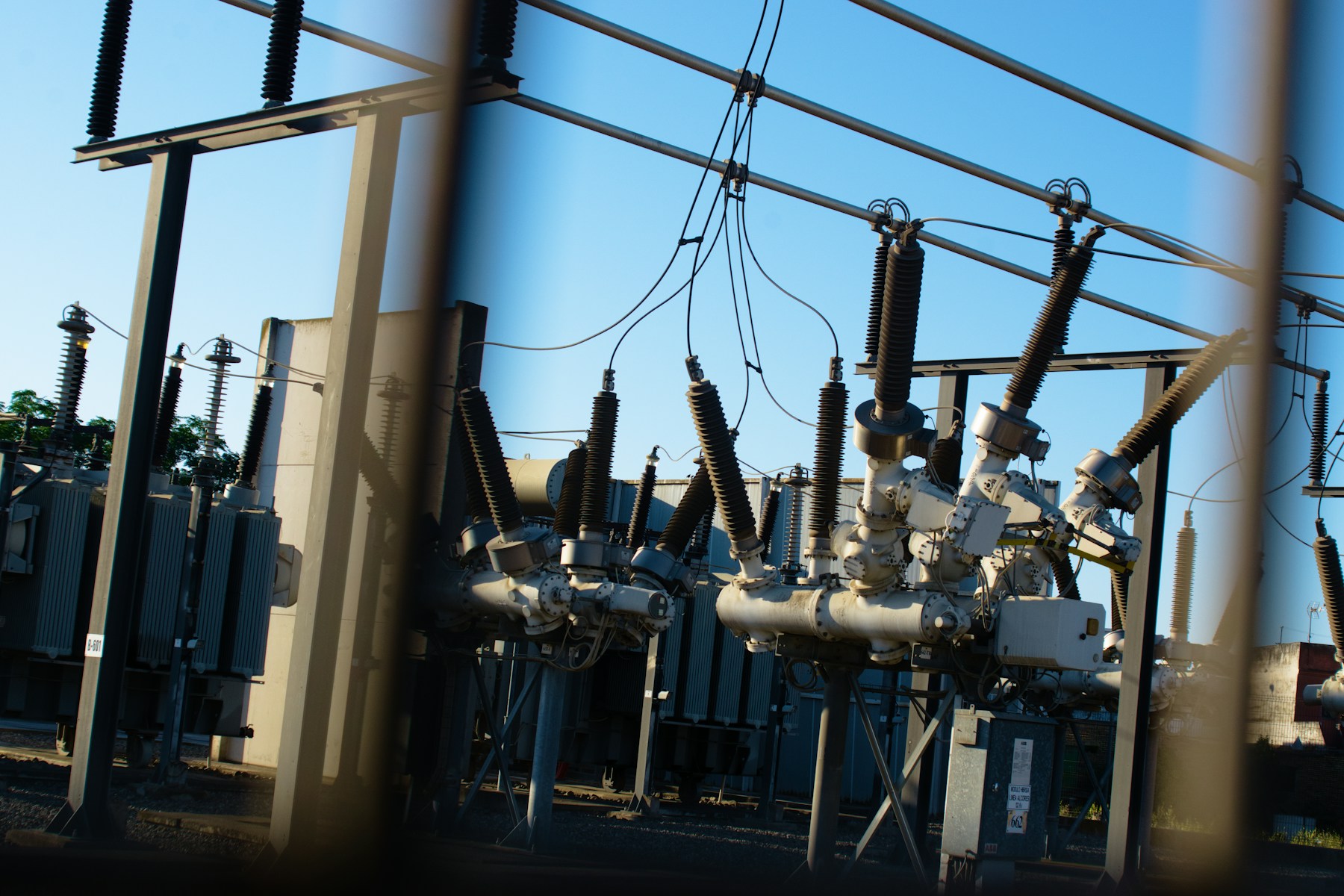
When the same situation is reviewed with the same statuses and chronology, escalations and trade-offs become much simpler.
The need appears when alerts, incidents, and field statuses are no longer readable in the same flow. Incidents, alarms, and technical states are scattered across supervision tools, field reporting, phone calls, and recovery files. Operations, on-call, and maintenance teams do not always share the same intervention priority.
The solution can bring together supervision, alerts, incidents, statuses, history, escalation guidance, and steering dashboards in a shared base. It can also highlight critical assets, persistent alarms, and situations waiting for field recovery or coordination decisions. We first scope the assets, statuses, alerts, incidents, teams, escalation thresholds, and steering views that are actually useful. We then distinguish what belongs to detection, diagnosis, decision, and restoration evidence so the chronology remains readable.
Sensors, SCADA, BMS, ERP, APIs, directory, and field tools. More reactive operations, fewer blind spots on incidents, and a clearer view of supervision priorities.
Service continuity, operations logs, permissions, and evidence of technical decisions must remain readable over time. More reactive operations, fewer blind spots on incidents, and a clearer view of supervision priorities.
The need becomes clear when alarms, statuses, and incidents already exist but no longer lead quickly enough to an actionable decision. As long as the team can still easily review the same situation on existing screens, an extra layer is not always the top priority. Once signals multiply and coordination weakens, a business-focused supervision layer becomes useful.
Supervise energy infrastructure with alerts, statuses, incidents, and a consolidated operations view.
Software to manage field interventions, teams, statuses, evidence, and time to restore service.
Structure energy maintenance with preventive and corrective work, planning, parts, and asset tracking.
Energy dashboards to track consumption, incidents, availability, and operational performance.
Pipelines, cloud, monitoring, and a clearer operating base to reduce incidents and secure production releases.
Internal tools, business CRMs, portals, and operating platforms to replace files, clarify roles, and improve control.
We can discuss your needs free of charge and explain clearly how we can help, with no obligation.