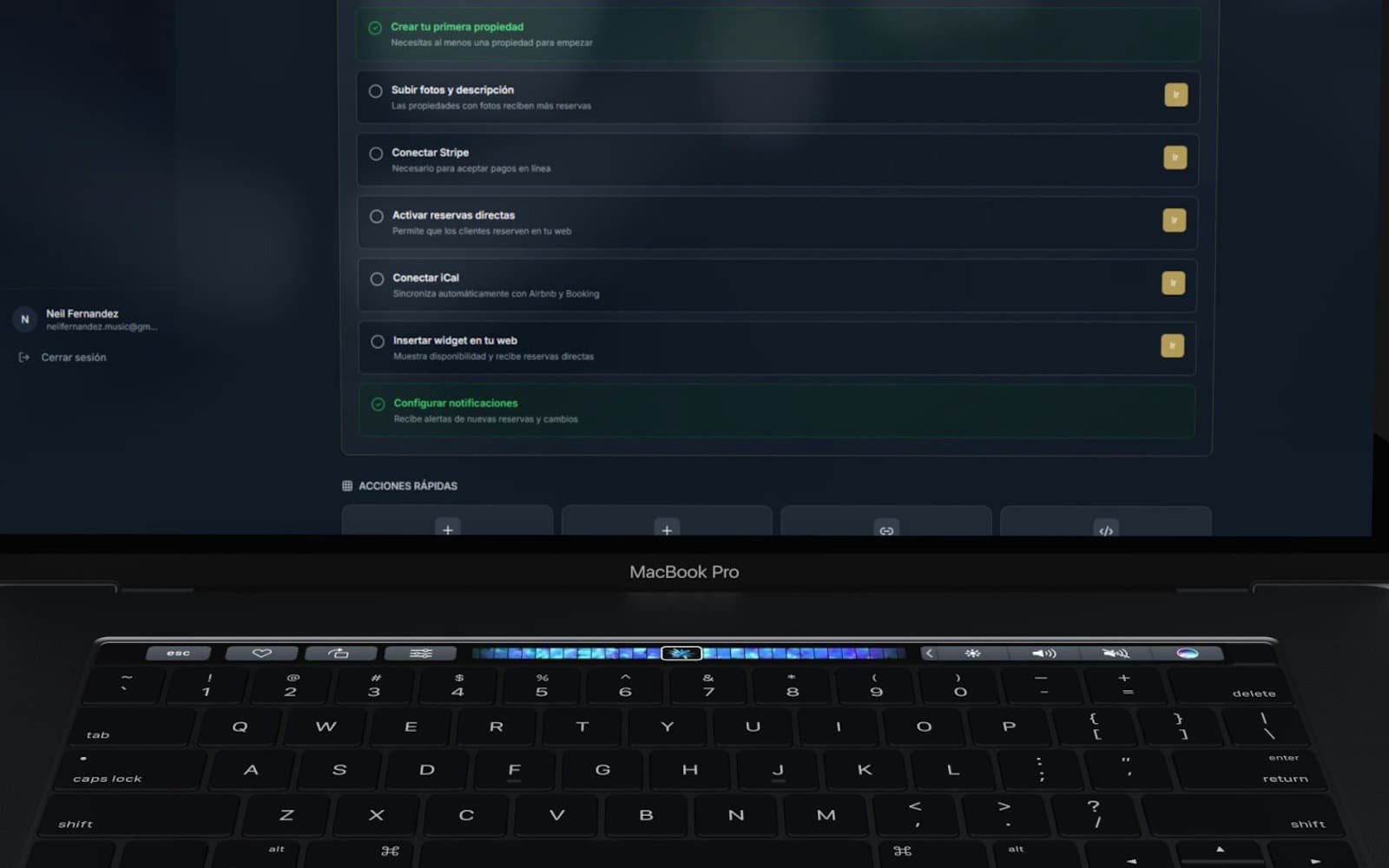

Prioritize the files to process
The first goal is to show immediately what a team must process now, what is waiting for approval, and what is starting to drift beyond the expected timing.
The real issue is not building one more interface. You need to give teams a clear work queue, a readable case view, useful actions, and a history that lets them take over a case without relying on parallel spreadsheets.
This page helps scope the first useful version, roles, bulk actions, integrations, imports, and indicators that make a back office truly usable day to day.
The first goal is to show immediately what a team must process now, what is waiting for approval, and what is starting to drift beyond the expected timing.
The back office must bring together the useful context, documents, comments, short history, and business actions so handling does not move back into email or spreadsheets.

The foundation must stay readable over time, with clear roles, useful history, and clean connections to the tools that need to remain in place.

Koragence structured a platform that holds the catalog, quotes, options, documents, vendors, and commercial rules in the same environment. It gives us a real base to absorb more volume without losing quality.
Commercial and document platform
The catalog foundation already handles a large volume of references, options, and commercial rules inside the same environment.

We needed a tool able to manage a fleet of self-service machines. Koragence structured a clear, robust platform we can rely on every day.
Supervision business software
A foundation designed to keep incidents, machine statuses, and operational alerts usable without permanent run patchwork.
A custom ERP becomes useful when the company needs to connect sales, operations, purchasing, stock, documents, statuses, and approvals inside one readable flow. The issue is not only centralizing data, but governing a full workflow without constant duplicate entry.
The most common modules cover orders, stock, purchasing, client files, document handling, internal approvals, billing, incidents, or operational steering. The right ERP does not try to cover everything from day one, but the modules that truly change day-to-day work.
Within this scope: orders, purchasing, and stock movements; files, documents, approvals, and history; billing, statuses, exports, and reporting.
Automation becomes profitable when the same checks, notifications, approvals, exports, or administrative tasks are repeated every day. The right approach is to automate what truly reduces omissions, delays, and manual rework.
A healthy ERP foundation relies on clear roles, well-defined business objects, a clean API, readable history, and a clear separation between front-end, business logic, and integrations. This is what later allows a new module to be added without breaking the rest.
Useful integrations are the ones that remove duplicate entry and contradictions across tools: CRM, accounting, logistics, directory, DMS, BI, or legacy software. The real trade-off is always the source of truth for each type of data.
Security mostly depends on roles, permissions, history, exports, sensitive access, and the ability to review who did what. An ERP often centralizes critical information and therefore must be governed like a business product carrying real responsibility.

When a standard product can no longer hold your business rules, approvals, documents, stock, or cross-team workflows cleanly.
When a file moves between spreadsheets, quoting tools, CRM, email, and documents without a reliable version, custom business software finally brings clients, statuses, approvals, and reporting into one place.
Overview of Koragence offers and entry points.
When the real pipeline also depends on quotes, contracts, approvals, and follow-ups outside the CRM, a custom CRM avoids forcing teams into a standard tool that is too limited.
We design custom web applications and SaaS products to manage accounts, roles, documents, statuses, workflows, and business operations inside a clear, maintainable interface.
When versions get lost, signatures are delayed, and nobody knows which document is the valid one, document workflow automation brings the process back under control.
In a consulting firm, friction starts when staffing, proposals, reports, client files, and margin are tracked in files that contradict each other.
The practical signals showing Excel has become an operational bottleneck, and the method to move to a business tool without freezing the team.
ERP, custom business software, or an intermediate layer: how to choose based on operational complexity, adoption constraints, and real workflows.
How to properly compare SaaS and a custom business application: subscriptions, rigidity, adoption, integrations, tool debt, and hidden cost.
We can discuss your needs free of charge and explain clearly how we can help, with no obligation.