Which software and applications can we maintain?
We work on custom business software, web applications, SaaS platforms, client portals, extranets, back offices, industrial tools, APIs, backend services, and document platforms. We can also take over a complex website when it contains application logic, third-party connections, or important data.
The first assessment checks technologies, code condition, available access, environments, and the knowledge transferred by the previous team.
How do you take over an application built by another agency?
We inventory Git, hosting, Cloud, databases, domains, DNS, secrets, third-party services, monitoring, technical email, and accounts required to operate the software. We then identify applications, services, automated tasks, integrations, and external dependencies.
We review builds, tests, deployments, backups, and restoration. The first interventions target fragile access, uncertain backups, obsolete dependencies, important vulnerabilities, risky deployments, and blocking incidents.
A first fix or small evolution validates the complete chain, from code change through to production release.
How should maintenance requests be organized?
Each request is recorded with its context, importance, affected users, owner, and status. An issue blocking an essential function receives a higher priority than a minor fix or comfort improvement.
Qualification can distinguish blocked activity or major risk, a severely degraded function, a contained issue, and an evolution to plan. This organization reserves capacity for the topics with the greatest impact.
Which SLAs should you define for application maintenance?
An SLA, or Service Level Agreement, can define support hours, priority levels, response times, contacts, tracking tools, and escalation procedures. The commitment level is defined according to the application’s actual importance to your business.
We distinguish response time from the time required to resolve an issue. A complex incident may require analysis, a fix, testing, and a controlled production release. The agreement should also specify what belongs to the AMS provider, business team, host, or another provider to prevent blocked incidents.
Maintenance sized around your application’s actual workload
A stable application may need only a few interventions each month. Another may receive daily requests, regular evolutions, and require closer monitoring. Koragence can organize a monthly capacity, a fixed service, reserved days, additional work quoted separately, or a larger setup for a critical application.
This model gives an SME or mid-sized company access to several skills without permanently funding a full team when the workload remains limited.
Why are software maintenance and DevOps often connected?
An issue can come from code, a database, configuration, a certificate, an automated task, a deployment pipeline, a container, or Cloud infrastructure. One team can then analyze the complete chain instead of passing the incident between providers.
Depending on the agreed scope, the service can cover CI/CD, Docker, Cloud environments, technical logs, monitoring, certificates, backups, and production releases. Discover our DevOps expertise
How do you monitor an application in production?
Monitoring can track availability, application errors, failed automated tasks, resources, databases, certificates, response times, backups, and errors from external services.
Project-appropriate tools send alerts when a threshold is exceeded or an unusual error appears. The goal is to identify some issues before they become major incidents for users.
How do you maintain integrations and APIs?
An application often depends on an ERP, CRM, payment service, accounting tool, document platform, signature solution, messaging service, or partner API. We track versions, authentication methods, errors, and changes announced by vendors.
When an integration is important to the business, retries, queues, alerts, logs, and recovery procedures help handle temporary unavailability correctly. Discover our API integration expertise
How do you update dependencies without causing regressions?
An update can change the behavior of an existing function. We review the current version, changes introduced, fixed vulnerabilities, and affected areas before testing the update in a suitable environment.
When several versions need to be crossed, the migration can be organized progressively to better control the changes introduced at each step.
How do you secure software already in production?
Maintenance can address vulnerable dependencies, poorly stored secrets, over-privileged accounts, end-of-support libraries, insufficient authentication, expiring certificates, poorly controlled backups, and incomplete logs.
Fixes are prioritized according to their importance and actual exposure. For a broader assessment, Koragence can also provide dedicated cybersecurity expertise.
Back up an application and be able to restore it
A backup strategy defines what to back up, how often, how long to retain copies, and how to restore them. Databases are often central, but the application may also depend on documents, media, client files, configurations, or data stored elsewhere.
When needed, we can check the restoration procedure and verify that a copy can actually return the service to an operable state.
Can you maintain legacy software?
Yes, when the environment remains accessible and the technologies can still be operated under reasonable conditions. The first step is to distinguish what works, what needs close monitoring, and what is becoming difficult to maintain.
Maintenance can then prepare a progressive modernization: framework update, component replacement, new API, database migration, containerization, or infrastructure change. Discover legacy application modernization
Maintenance or rebuild: how do you choose?
An application remains worth maintaining when its architecture still allows fixes and new functions within reasonable timeframes. Modernization becomes relevant when end-of-support technologies, risky releases, dependencies that cannot be updated, or architecture repeatedly slow down the business.
We can first take over and stabilize the application, then define modernization work based on concrete issues.
How do you retain control of your software with an application maintenance agency?
The client should retain access to the source code, hosting, Cloud, databases, domains, external services, monitoring, documentation, and production procedures. We keep the necessary information up to date during the service to make future handover easier.
This organization protects software continuity when teams, providers, or responsibilities change.
How do you review maintenance each month?
The review can group received requests, closed incidents, ongoing topics, consumed capacity, production releases, technical updates, recurring problems, and planned evolutions.
A regular review distinguishes routine maintenance from topics that deserve a dedicated project. The client keeps a clear view of completed work and upcoming priorities.
When should you work with an application maintenance agency?
An application maintenance agency becomes useful when the former provider is difficult to reach, the original developer leaves, the internal team lacks availability, dependencies age, or releases become risky.
Takeover is also relevant when several scripts and integrations are hard to understand, or when you want to progressively regain control of an older application with a few days of expertise each month.
What budget should you plan for software maintenance?
Price mainly depends on monthly workload, technical complexity, commitment level, and the application’s importance to your business. A stable application with few requests requires a very different setup from a critical platform with several technologies, integrations, and frequent releases.
Scoping reviews incidents, technologies, applications, integrations, infrastructure, support hours, expected response times, and evolution volume to propose a setup proportionate to actual use.
Application maintenance, AMS, support, and managed operations: what is the difference?
Application maintenance covers the software’s technical operation: fixes, dependencies, updates, small evolutions, and releases. AMS, or Application Management Services, describes this maintenance when it is entrusted to an external company through an organized service.
Application support handles user requests, while managed operations mainly concern infrastructure, Cloud, servers, backups, networks, and technical monitoring. Several responsibilities can be combined when the product requires it.
How does Koragence set up an AMS service?
We start by inventorying access, code, environments, data, hosting, integrations, and documentation. We then analyze architecture, technologies, dependencies, backups, and production procedures.
Priorities, capacity, support hours, tracking tool, and responsibilities are defined before a first fix or evolution. Requests are then qualified, handled, tested, and documented according to importance, with progressive improvement of recurring issues.


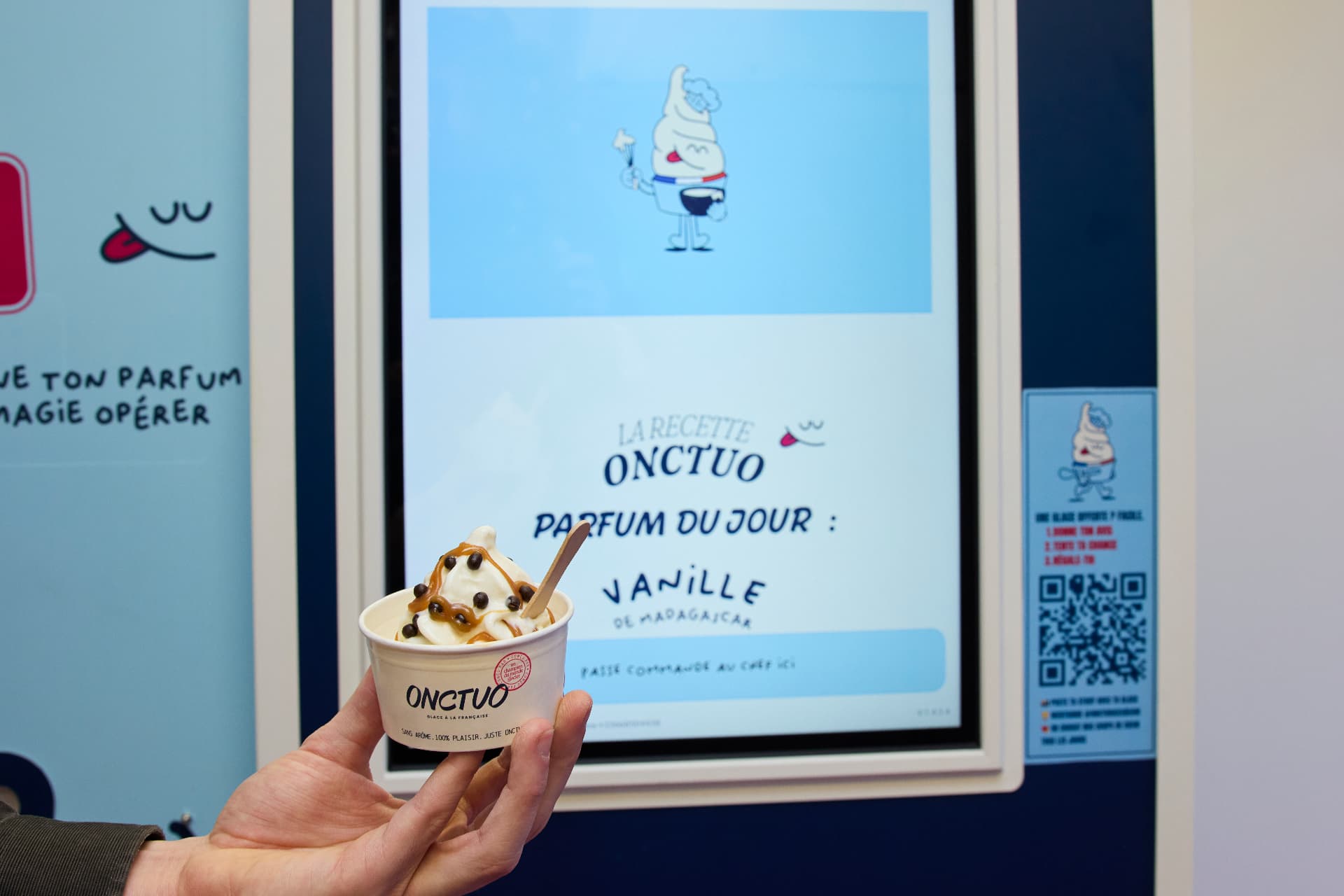
 Onctuo
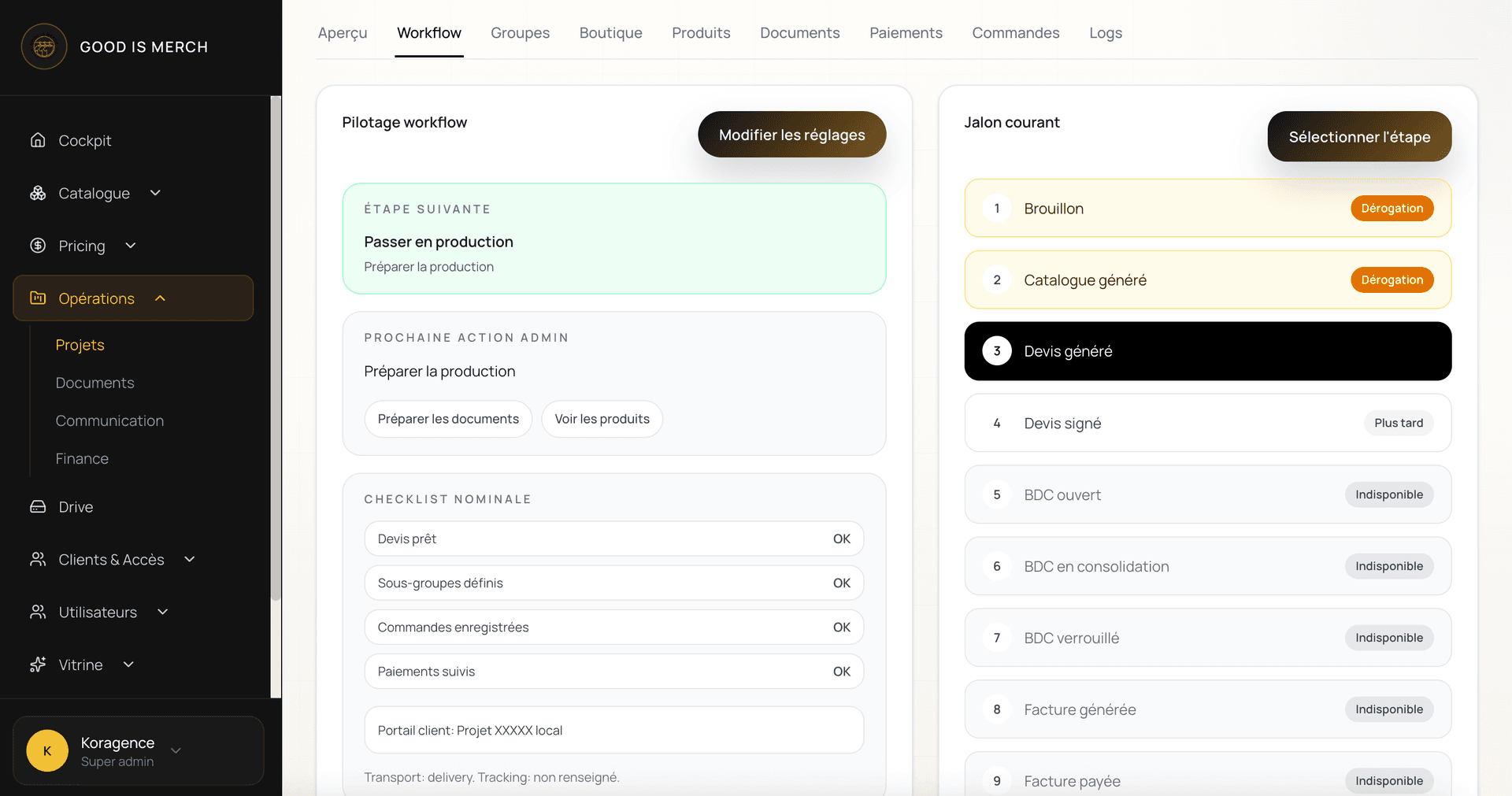
 Good is Merch