SaaS audit

What is reviewed
A targeted SaaS audit often takes 7 to 12 business days depending on the number of modules, integrations, and environments to review. It is used to understand whether the product can still grow cleanly without weakening support, customer accounts, and production.
What you receive
Initial scoping takes about 45 minutes. Technical exchanges often take 1 to 3 hours. We usually cross-check the repository, roles, account configuration, monitoring, pipeline, environment, and integration flows when they are accessible. The spoken debrief then lasts around 2 hours, and the final deliverable is sent within 48 hours. If a major risk appears earlier, it is flagged immediately.
Technologies used by Koragence include Cloudflare, Keycloak, Vault, Snyk, OWASP ZAP, Wazuh.



What the SaaS audit should make readable
Accounts, roles, and data separation
We review permissions, provider access, authentication, and the risk of leakage between accounts, roles, or customer spaces.
Operations, performance, and integrations
We look at slowdowns, jobs, queues, webhooks, observability, and the ability to diagnose an incident without depending on permanent workarounds.
Debt, roadmap, and provider switch
The audit must clarify what is already weighing on the roadmap, support, deployments, and the ability to take over the product without wasting time reconstructing the current state.
What does a SaaS audit involve?
A targeted SaaS audit often takes 7 to 12 business days depending on the number of modules, integrations, and environments to review. It is used to understand whether the product can still grow cleanly without weakening support, customer accounts, and production. Initial scoping takes about 45 minutes. Technical exchanges often take 1 to 3 hours. We usually cross-check the repository, roles, account configuration, monitoring, pipeline, environment, and integration flows when they are accessible. The spoken debrief then lasts around 2 hours, and the final deliverable is sent within 48 hours. If a major risk appears earlier, it is flagged immediately.
What a SaaS audit covers

Code and architecture audit
We review critical modules, dependencies, separation of concerns, account logic, jobs, queues, webhooks, and the way the product holds as volume, customers, or usage increase.
The key point on a SaaS product is whether a new feature, a new customer, or a new integration still plugs in cleanly, or whether each addition is already waking up a fragile part of the product.
Technologies used by Koragence include Cypress, Snyk, OWASP ZAP, Cloudflare.


Security and access audit
We review roles, permissions, authentication, secret management, provider access, and the risk of leakage between accounts, environments, or customer segments.
We also look at real account separation, admin account management, support access, useful logs, and the ability to explain quickly who saw what and who can do what.
Technologies used by Koragence include OWASP ZAP, Snyk, Wazuh, Vault.
Performance and operations audit
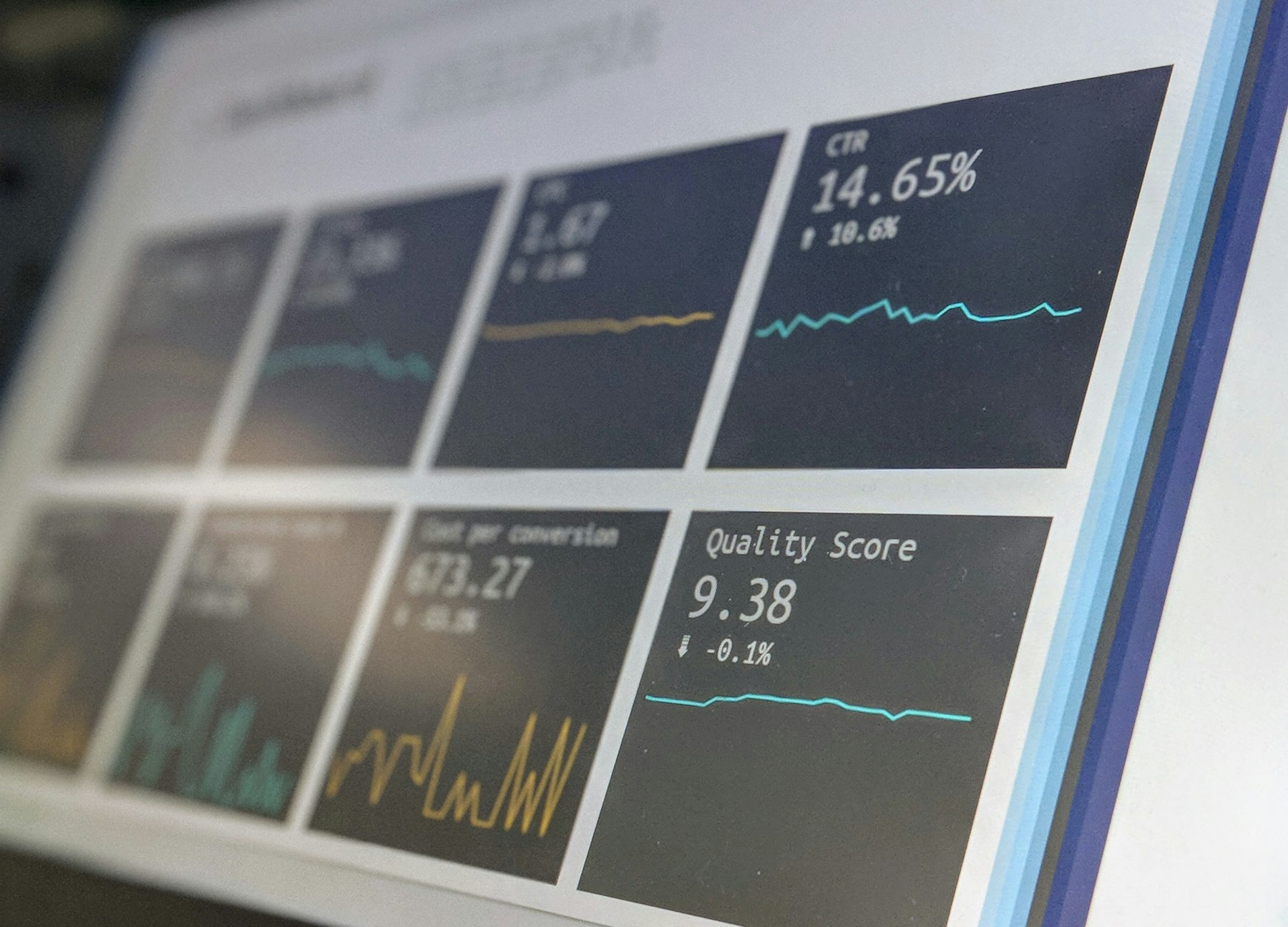
We look at perceived speed, heavy queries, asynchronous processing, saturation points, observability, and the ability to diagnose an incident without depending on improvised workarounds or a single person.
Depending on the context, this means response times, monitoring, queues, job failures, caches, recurring errors, and the quality of the signals available when a customer opens a support ticket.
Technologies used by Koragence include Cypress, Cloudflare, Wazuh, Vault.

Technical debt and takeover-readiness audit
We identify the debt that is already weighing on the roadmap, support, deployments, service quality, and the ability to take over the product cleanly if the team or provider changes.
The issue is not only code quality. It is also the ability to document accounts, recover environments, restart clean operations, and explain to a new team how the product really holds together.
Technologies used by Koragence include Keycloak, Vault, Cloudflare.
Exact deliverables
The final deliverable must show what is already putting accounts, support, integrations, production, and the ability to scale the product at risk without creating more debt.
It usually includes a product map, a risk hierarchy, readable extracts for product and leadership teams, and then a 30 / 60 / 90 day plan to secure operations and restart the roadmap.
Exact timing and process
01 - Scoping and access recovery
We clarify the environments, accounts, integrations, provider access, and the people to involve so the product can be reviewed under the right conditions.
02 - Product and operations review
We review the product, roles, critical flows, integrations, support symptoms, and fragile points that are already slowing down the roadmap.
03 - Debrief with leadership, product, and technical teams
We go through the audit together for 60 to 90 minutes to explain the findings, answer questions, and decide what must be secured immediately.
04 - Final deliverable and 30 / 60 / 90 day plan
The final deliverable is sent within 48 hours with the risks, priorities, takeover points, and the decisions that allow the roadmap to restart from a healthier base.
Exact timing and process
01 - Scoping and access recovery
We clarify the environments, accounts, integrations, provider access, and the people to involve so the product can be reviewed under the right conditions.
02 - Product and operations review
We review the product, roles, critical flows, integrations, support symptoms, and fragile points that are already slowing down the roadmap.
03 - Debrief with leadership, product, and technical teams
We go through the audit together for 60 to 90 minutes to explain the findings, answer questions, and decide what must be secured immediately.
04 - Final deliverable and 30 / 60 / 90 day plan
The final deliverable is sent within 48 hours with the risks, priorities, takeover points, and the decisions that allow the roadmap to restart from a healthier base.
Questions that come up often :
SaaS often adds multitenancy, billing, finer roles, more integrations, stronger support pressure, and higher expectations around service continuity.
Let’s discuss your project:
We can discuss your needs free of charge and explain clearly how we can help, with no obligation.