Technical web application audit: code, security, performance, and roadmap
Koragence conducts **technical web application audits** to identify risks in code, architecture, security, and infrastructure before a takeover, redesign, or provider change. We cross-check the codebase, Git history, dependencies, tests, deployments, and available environments to produce a **prioritized, estimable remediation roadmap**.
The goal is not to produce a list of technical defects, but to answer concrete decisions: **what must be fixed immediately, what can be kept, how much effort should be planned, and can another team take over the application cleanly?**

What is reviewed
A targeted web application audit usually takes 5 to 10 business days once the required access is available. That time is used to review the useful code, understand dependencies, verify critical flows, review access, and prepare a debrief that truly supports decisions.
What you receive
Initial scoping takes about 45 minutes. Technical exchanges often represent 1 to 2 hours in total. We usually cross-check the repository, Git history, pipeline, tests, logs, monitoring, and environment configuration when they are available. The spoken debrief then lasts around 2 hours, and the final deliverable is sent within 48 hours. If a critical risk appears earlier, it is flagged immediately.
Technologies used by Koragence include Cloudflare, Keycloak, Vault, Snyk, OWASP ZAP, Wazuh.



What the audit helps decide
Code, debt, and sensitive areas
We bring out the parts of the code that already carry too much weight, the dependencies that are aging badly, the lightly covered areas, and the places where an ordinary fix is already costly.
Architecture, security, and production resilience
We review flows, access, secrets, environments, and the slowdowns that are already visible to spot what is weakening the application day to day.
Takeover, priorities, and next steps
The audit should help decide what must be kept, what should be fixed first, how to take things over without losing time, and how to prepare a provider switch under the right conditions.
What does a technical web application audit check?
A targeted web application audit usually takes 5 to 10 business days once the required access is available. That time is used to review the useful code, understand dependencies, verify critical flows, review access, and prepare a debrief that truly supports decisions. Initial scoping takes about 45 minutes. Technical exchanges often represent 1 to 2 hours in total. We usually cross-check the repository, Git history, pipeline, tests, logs, monitoring, and environment configuration when they are available. The spoken debrief then lasts around 2 hours, and the final deliverable is sent within 48 hours. If a critical risk appears earlier, it is flagged immediately.
Which parts of a web application are audited?

Code audit
We review the modules carrying business logic, external dependencies, test quality, error handling, and the areas where every change already takes too much time for a minor result.
Concretely, we mainly look at what is already stretching fix lead time: dependency debt, abandoned branches, fragile migrations, areas without reliable tests, unstable conventions, and parts of the code a new provider would struggle to take over quickly.
Technologies used by Koragence include Cypress, Snyk, OWASP ZAP, Cloudflare.

Architecture audit
We map services, environments, data flows, coupling points, and the components that already control production releases, urgent fixes, or takeover by another team.
This usually covers APIs, queues, scheduled jobs, webhooks, storage, secrets, caches, and infrastructure dependencies that can let a simple incident ripple up into the business.
Technologies used by Koragence include Cloudflare, Vault, Keycloak.

Security audit
We review access accounts, roles, secrets, exposed dependencies, useful logs, and the points where a provider departure, weak permission model, or bad configuration can create immediate risk.
When useful, we rely on simple reference points such as OWASP, admin rights, authentication flows, secret management, backups, and the traceability that is actually available when an incident has to be reconstructed.
Technologies used by Koragence include OWASP ZAP, Snyk, Wazuh, Vault.
Performance audit
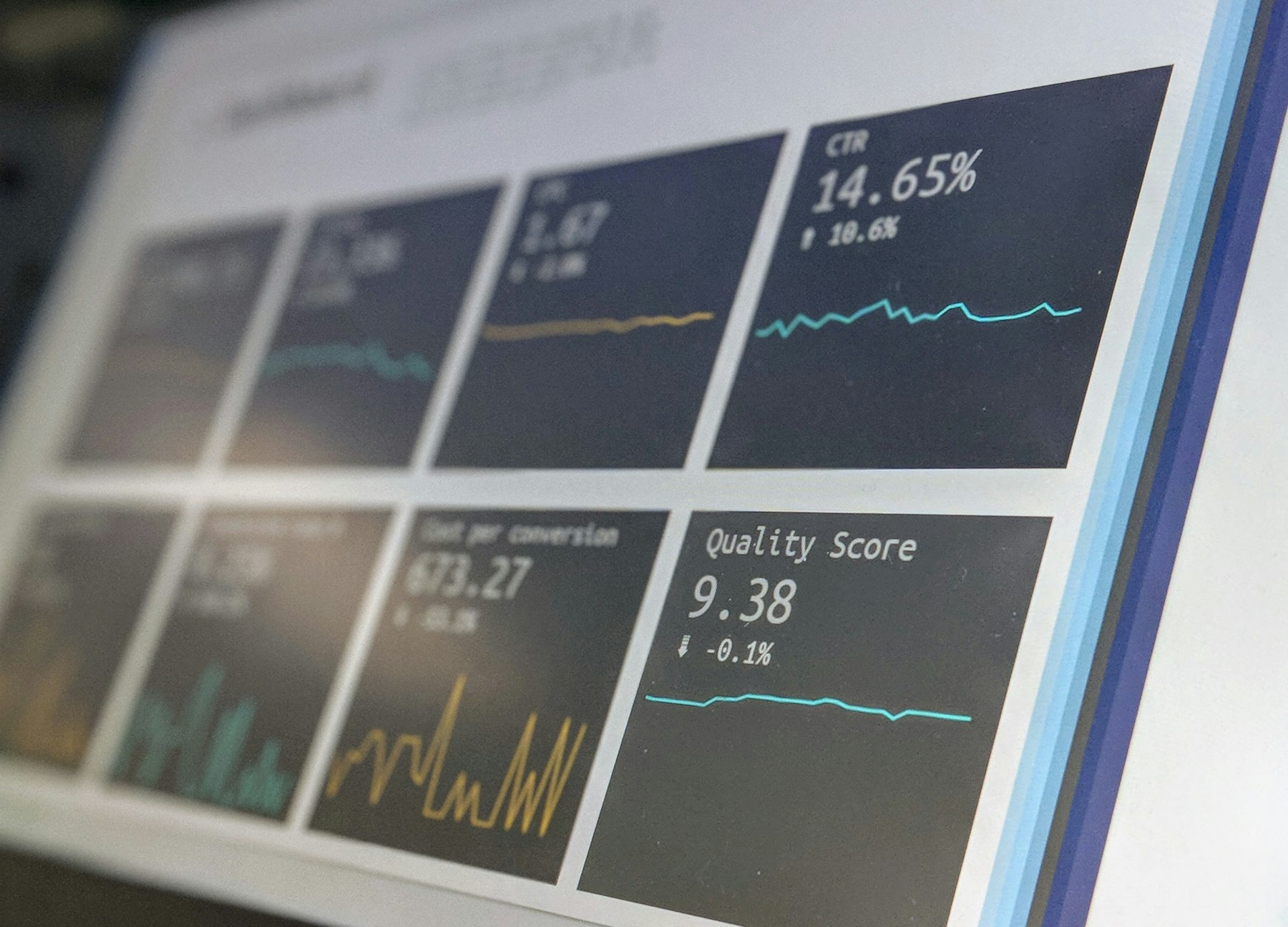
We identify the slowdowns users already feel, heavy queries, saturation points, and the processes that make the product more fragile under peak load or concurrent usage.
When they exist, we also cross-check logs, monitoring, response metrics, recurring errors, cache behavior, asynchronous processing, and observability signals to separate noise from the real causes of slowness.
Technologies used by Koragence include Cypress, Cloudflare, Wazuh, Vault.

Technical debt and takeover-readiness audit
We separate debt that can wait from the debt already blocking takeover: missing documentation, dependence on one person, incomplete access, critical scripts not handed over, an unreliable backlog, or a codebase too opaque to estimate next steps properly.
The useful point for leadership is simple: know what a new provider would have to rebuild, what can be taken over quickly, what must be documented before a switch, and what would immediately push budget off course.
Technologies used by Koragence include Keycloak, Vault, Cloudflare.
When should a web application be audited?
An audit is especially useful before a project takeover, provider change, redesign, fundraising round, or major development phase. It also helps explain why an application is becoming slow to evolve, accumulating incidents, or depending too heavily on a few people. The more important the decision, the more the audit should connect technical findings to their impact: risk, remediation cost, priority, and the effort required for what comes next.
Exact deliverables
The final deliverable must make visible what is already blocking the product, what can be kept, what must be fixed immediately, and the level of effort needed for what comes next.
It usually includes a short system map, a risk hierarchy, readable extracts that explain the critical points, and then a 30 / 60 / 90 day plan to secure what comes next or prepare a takeover.
Exact timing and process
01 - Scoping and access recovery
We clarify the scope, the environments, the available access, and the people to involve so the application is not reviewed only halfway.
02 - Targeted technical review
We review code, flows, dependencies, access, fragile zones, and already visible symptoms to isolate the real risk points.
03 - Debrief with leadership and the team
We go through the audit together for 60 to 90 minutes to explain the findings, answer questions, and decide what must be fixed quickly.
04 - Final deliverable and action plan
The final deliverable is sent within 48 hours with the risks, priorities, takeover points, and the decisions to prepare next.
Exact timing and process
01 - Scoping and access recovery
We clarify the scope, the environments, the available access, and the people to involve so the application is not reviewed only halfway.
02 - Targeted technical review
We review code, flows, dependencies, access, fragile zones, and already visible symptoms to isolate the real risk points.
03 - Debrief with leadership and the team
We go through the audit together for 60 to 90 minutes to explain the findings, answer questions, and decide what must be fixed quickly.
04 - Final deliverable and action plan
The final deliverable is sent within 48 hours with the risks, priorities, takeover points, and the decisions to prepare next.
Questions that come up often :
The repository and technical environments are often enough for a first serious review. Read access to production or logs becomes useful as soon as performance, security, or day-to-day operations need to be confirmed on the real system.
Let’s discuss your project:
We can discuss your needs free of charge and explain clearly how we can help, with no obligation.